Introspection and AI
When you no longer need to observe your environment, ask questions, or piece together clues to find an answer, you lose your drive.
By Aynstyn · · 3 min read
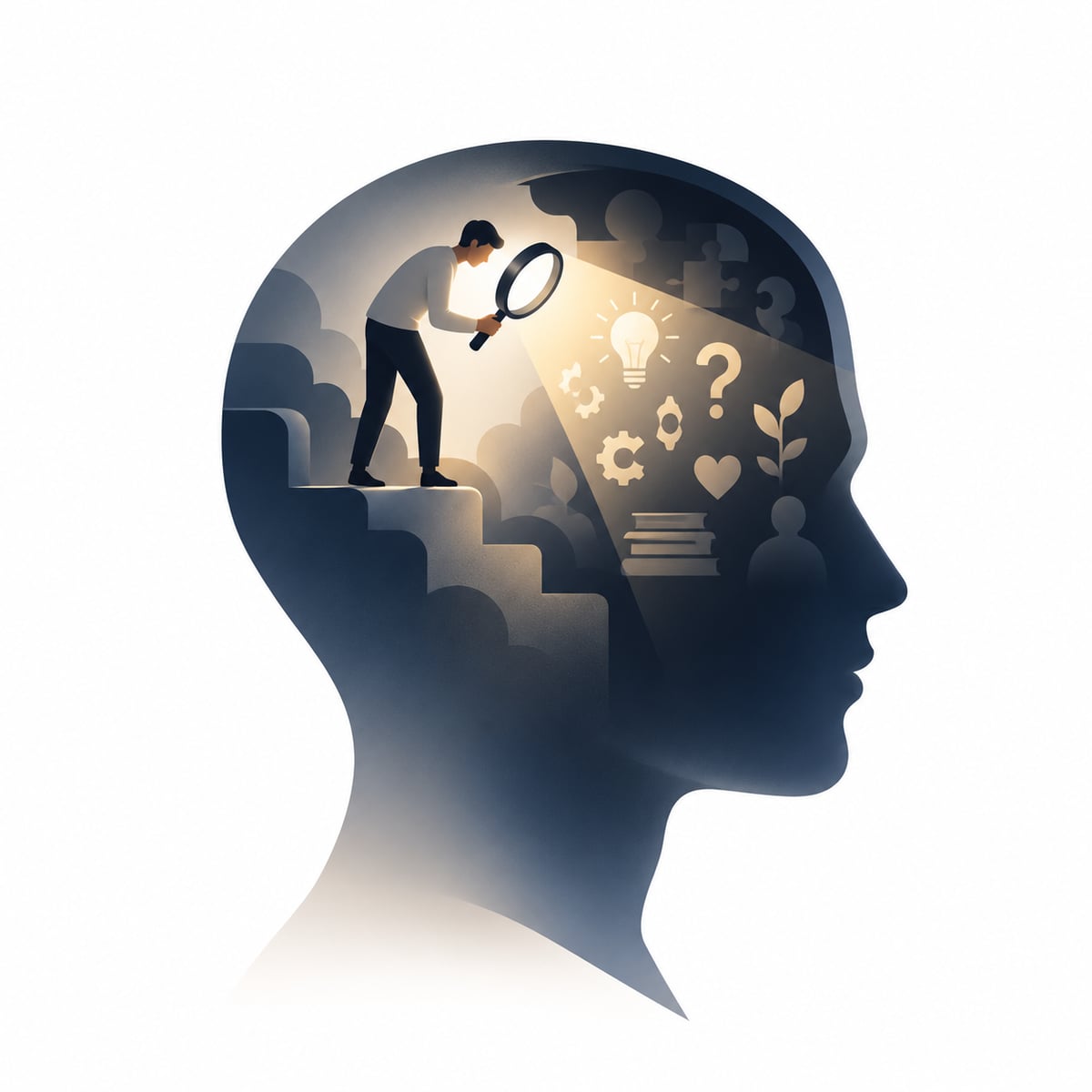
Artificial Intelligence has revolutionized our world, offering unprecedented speed, efficiency, and access to information. We are living in an era where any question can be answered in milliseconds, and complex tasks are automated with a single click. However, beneath this shiny surface of convenience lies a significant and growing risk. While we celebrate AI’s capabilities, we must confront a troubling reality: excessive dependence on these tools is quietly eroding the very faculties that make us human our ability to think critically, feel deeply, explore curiously, and solve problems independently.
The Erosion of Introspection and Critical Thinking
The first and most severe danger of using AI excessively is the atrophy of introspection. When we immediately outsource our questions to an algorithm, we bypass the mental process of chewing on a problem, weighing variables, and arriving at a conclusion on our own. This convenience kills our critical thinking muscles. Over time, we lose touch with what is right and wrong, not because we lack access to information, but because we have stopped practicing the rigorous mental exercise required to evaluate it. We become numb in our thinking approach, passively accepting whatever output the machine generates instead of engaging in deep, reflective analysis.
The Seductive Trap of Addiction
AI feeds a dangerous addiction to instant gratification. It provides the convenience of knowing the answer quickly, and our brains get hooked on that dopamine hit. We become addicted to the speed of the response, and our attention gets firmly anchored to the answers provided. The thrill of the hunt the joy of searching, observing, and piecing together information through our own labor - is entirely lost. We are no longer driven explorers; we are passive consumers, addicted to the illusion that we "know it all" simply because we have a device that holds all the answers. This is the ultimate intellectual boredom: life becomes monotonous because the mystery and struggle required to discover something new are removed.
The Suppression of Originality and Problem-Solving
When we assume that AI knows all, our capacity to think beyond the given data is suppressed if not compressed entirely. Innovation does not come from regurgitating existing information; it comes from connecting disparate dots in novel ways, making leaps of intuition, and failing forward. By using AI to solve every problem for us, we suppress our innate ability to tackle challenges independently. We lose the resilience and grit that come from wrestling with a difficult issue. If we don't practice solving problems, we lose the ability to solve them at all.
Intellectual Overload and Lazy Learning
We are currently drowning in an over-consumption of data. AI floods our heads with fragmented information, leaving little room for the deep, structured understanding that comes from focused study. This is exacerbated by lazy learning habits, such as relying on book summaries. Reading a summary is a lame and superficial way to engage with knowledge. It provides the illusion of learning without the hard work of engaging with nuance, context, and narrative. True wisdom isn't gleaned from bullet points; it is forged in the time it takes to read, reflect, and ruminate on a complete work.
The Death of the Observer
Finally, reduced curiosity and exploration make life profoundly boring. The act of searching and observing is not just about finding an answer; it is a fundamental part of the human experience. AI steals the joy of discovery. When you no longer need to observe your environment, ask questions, or piece together clues to find an answer, you lose your drive. Being "know-all" is addictive, but it is a hollow victory because it removes the struggle that gives learning its value.
Conclusion
AI is a powerful tool, but it can easily become a terrible master. It must be used as a tool to enhance our capabilities, not replace them. To preserve our critical thinking, moral compass, sense of wonder, and problem-solving skills, we must step back from the algorithmic crutch. We must remember the value of struggling with a problem, searching for answers ourselves, reading full books, and enjoying the beautiful, messy, and rewarding process of human discovery.